Growth in Sheet Metal Fabrication Market Driven by Automation
The global sheet metal fabrication market is poised for steady growth in 2025, influenced by automation technologies, the rise of electric vehicles (EVs), and increasing demand for lightweight materials. For manufacturers and machine shops, adapting to these shifts is no longer optional — it is the key to remaining competitive.
According to industry analysts, global demand for fabricated sheet metal is projected to climb steadily as sectors like automotive, aerospace, and infrastructure invest in smarter, more efficient production systems.
Why Automation is Changing the Game
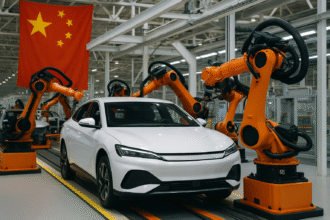
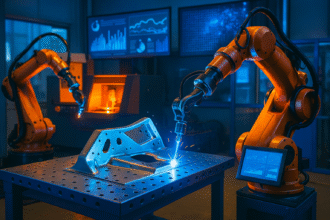
Automation has long been a driver in CNC machining and fabrication, but new advances in robotics and AI-powered controls are pushing efficiency further. Automated bending, punching, and laser-cutting systems reduce downtime and boost first-pass yield.
For shop owners, this means:
- Lower labour costs through robotic handling.
- Reduced rework thanks to machine vision quality checks.
- Faster throughput with automated nesting and scheduling.
These savings directly improve margins in a market where competition is fierce.
Electric Vehicles Push Lightweight Materials
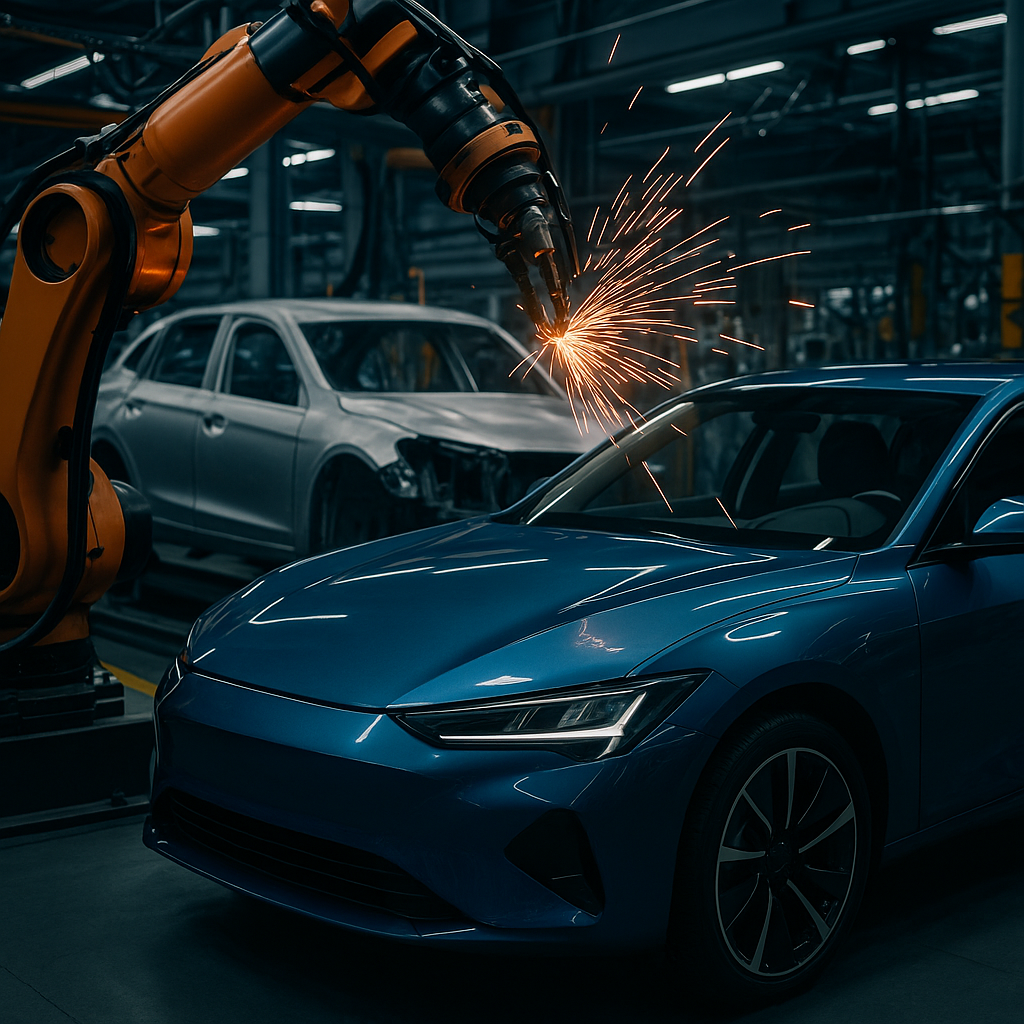
The shift to EVs is creating a surge in demand for aluminium and advanced alloys. Lightweight materials are critical to extending battery range and improving energy efficiency.
Fabricators investing in the capability to cut, bend, and weld these advanced metals stand to gain the most. Those relying only on traditional mild steel are at risk of losing work to more adaptable competitors.
Opportunities in Aerospace and Infrastructure
While EVs are grabbing headlines, aerospace and infrastructure projects also represent massive opportunities for sheet metal. Aircraft manufacturers are embracing hybrid materials, while governments are investing in transport and energy networks. Both sectors require precision fabrication at scale, often with complex geometries that demand high-tech automation.
Challenges for Fabricators
Despite the growth outlook, fabricators face hurdles:
- Skilled labour shortages: Automation offsets this but requires upfront investment.
- Capital costs: Advanced CNC systems and robotics can strain budgets.
- Supply chain risks: Disruptions in aluminium or specialty alloys can delay production.
Shops that balance automation with flexible sourcing strategies will be best positioned for resilience.
What It Means for Machine Shops
For small and mid-sized shops, the next two to three years are critical. Shops that embrace automation and prepare for the EV-driven shift to lightweight metals will thrive. Those that wait may be left behind as OEMs and Tier 1 suppliers demand higher precision, traceability, and sustainability.
FAQs
What is driving sheet metal market growth in 2025?
Key drivers include automation, the rise of electric vehicles, aerospace demand, and lightweight material adoption.
Which materials are most in demand?
Aluminium and high-strength alloys are growing fastest, while mild steel continues to dominate in infrastructure.
How can small shops compete with large OEMs?
By adopting modular automation, focusing on niche services, and leveraging digital tools for efficiency.
Digital Twins in Quality Control
FAQ
- What is sheet metal fabrication?
- Sheet metal fabrication is the process of transforming flat sheets of metal into specific shapes through cutting, bending, and assembling.
- How does automation impact sheet metal fabrication?
- Automation enhances precision, reduces labour costs, and improves efficiency in sheet metal fabrication processes.
- What are the key benefits of investing in CNC machining for sheet metal?
- Key benefits include reduced downtime, lower scrap rates, extended tool life, and increased overall efficiency.
Original reporting/source: