AI in Spanish sheet metal firms is driving a major shift in how factories manage energy, reduce waste, and optimise production. As the manufacturing sector enters 2025, these technologies are becoming essential for companies aiming to cut costs and strengthen sustainability.
Key takeaways
- AI technologies are transforming energy management in manufacturing.
- Spanish sheet metal firms are leading the way in sustainable practices.
- Real-time data analysis helps in identifying energy waste.
- Implementing AI can yield significant ROI through reduced costs.
- Awareness of common pitfalls can enhance successful AI integration.
What this means for manufacturers
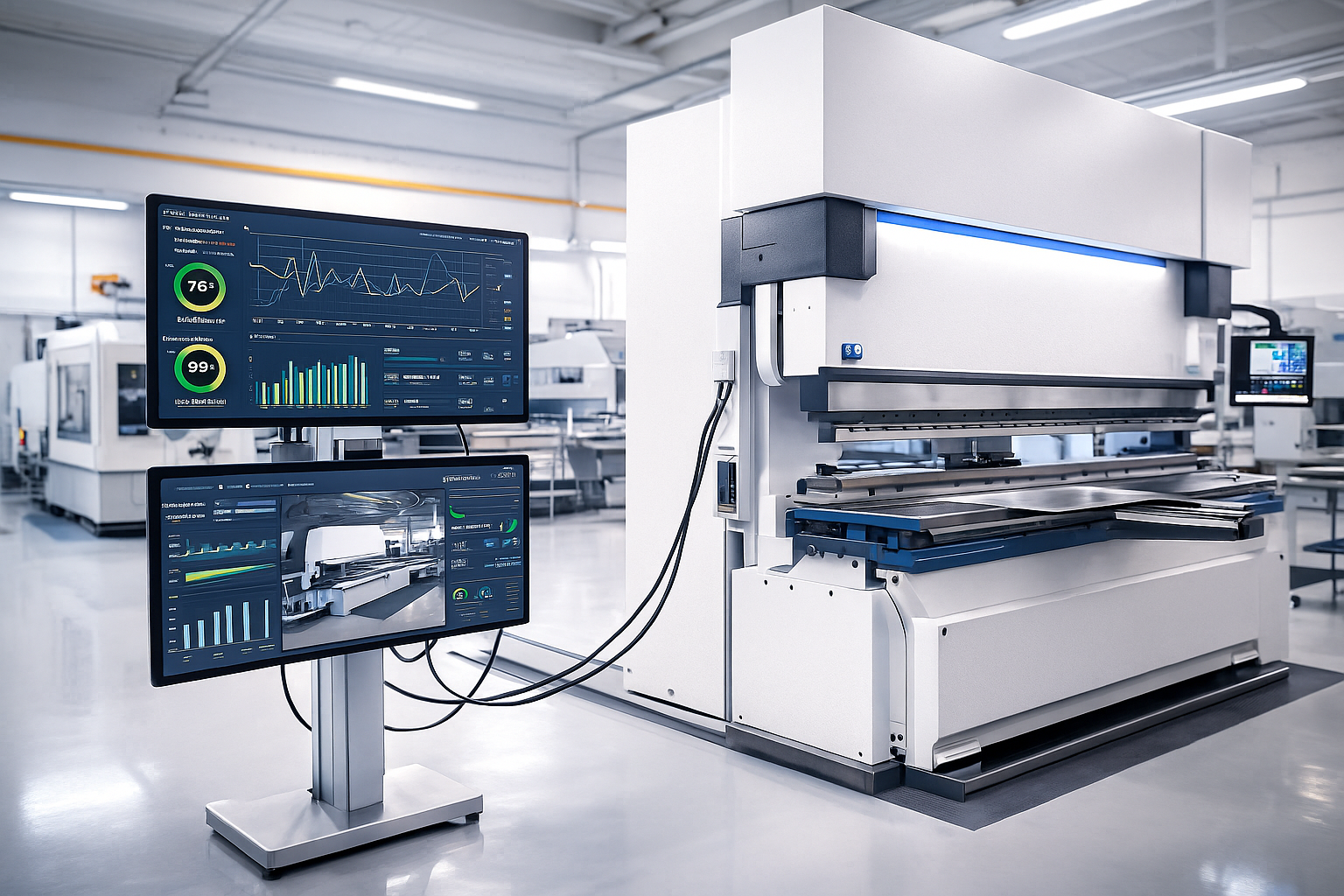
The integration of AI across Spanish sheet metal factories signals a move toward smarter and more responsive production. With AI monitoring energy consumption in real time, inefficiencies are easier to identify and eliminate. This approach strengthens sustainability, reduces operational costs, and supports competitiveness both within Spain and across Europe.
For context on broader European sustainability strategies, manufacturers can look at public resources such as the European Commission Energy Efficiency.
Real world examples from shops or OEMs
Several Spanish sheet metal firms are already reaping the benefits of AI technologies. For instance, a leading OEM has implemented AI-driven predictive maintenance systems that analyse machine performance data. This has led to a 20% reduction in energy consumption during peak hours. Another firm utilised AI algorithms to optimise cutting paths, resulting in less waste material and lower energy usage.
These real world results show how AI in Spanish sheet metal firms delivers practical gains that operators can measure from day one.
Implementation and ROI of AI in Spanish sheet metal firms
Implementing AI technologies requires a strategic approach. Firms should start by assessing their current energy consumption patterns and identifying key areas for improvement. Investing in AI solutions can lead to substantial ROI; studies indicate that manufacturers can save up to 30% on energy costs within the first year of implementation. Additionally, the long-term benefits of sustainability can enhance brand reputation and customer loyalty.
Companies investing in AI in Spanish sheet metal firms often report stronger ROI when energy and process data are analyzed together.
Common pitfalls and how to avoid them
While the benefits of AI are clear, there are common pitfalls that firms must avoid. One major mistake is underestimating the complexity of integrating AI into existing systems. To mitigate this risk, firms should invest in training their workforce and ensure that they have a clear understanding of the technology. Additionally, failing to set measurable goals can lead to disappointment; thus, firms should establish clear KPIs to track progress.
FAQ
How can AI help reduce energy waste in manufacturing?
AI can analyse data in real-time to identify inefficiencies in energy usage, allowing manufacturers to make informed decisions that reduce waste.
What are the initial costs of implementing AI in sheet metal firms?
Initial costs can vary based on the complexity of the system, but many firms find that the long-term savings on energy costs justify the investment.
Are there specific AI tools recommended for sheet metal manufacturing?
Yes, tools that focus on predictive maintenance, energy monitoring, and process optimisation are particularly beneficial for sheet metal manufacturers.
What is the expected ROI timeframe for AI investments?
Many firms report seeing a return on investment within the first year, particularly through reduced energy costs and increased efficiency.
How can firms ensure successful AI integration?
Successful integration involves training staff, setting measurable goals, and continuously monitoring performance to adapt strategies as needed.
Conclusion
In conclusion, the adoption of AI technologies by Spanish sheet metal firms is a significant step towards reducing energy waste and fostering sustainability in manufacturing. By understanding the implications, real-world applications, and potential pitfalls of AI, manufacturers can position themselves for success in an increasingly competitive landscape.
The rise of AI in Spanish sheet metal firms signals a turning point for efficiency, sustainability, and competitiveness in European manufacturing.