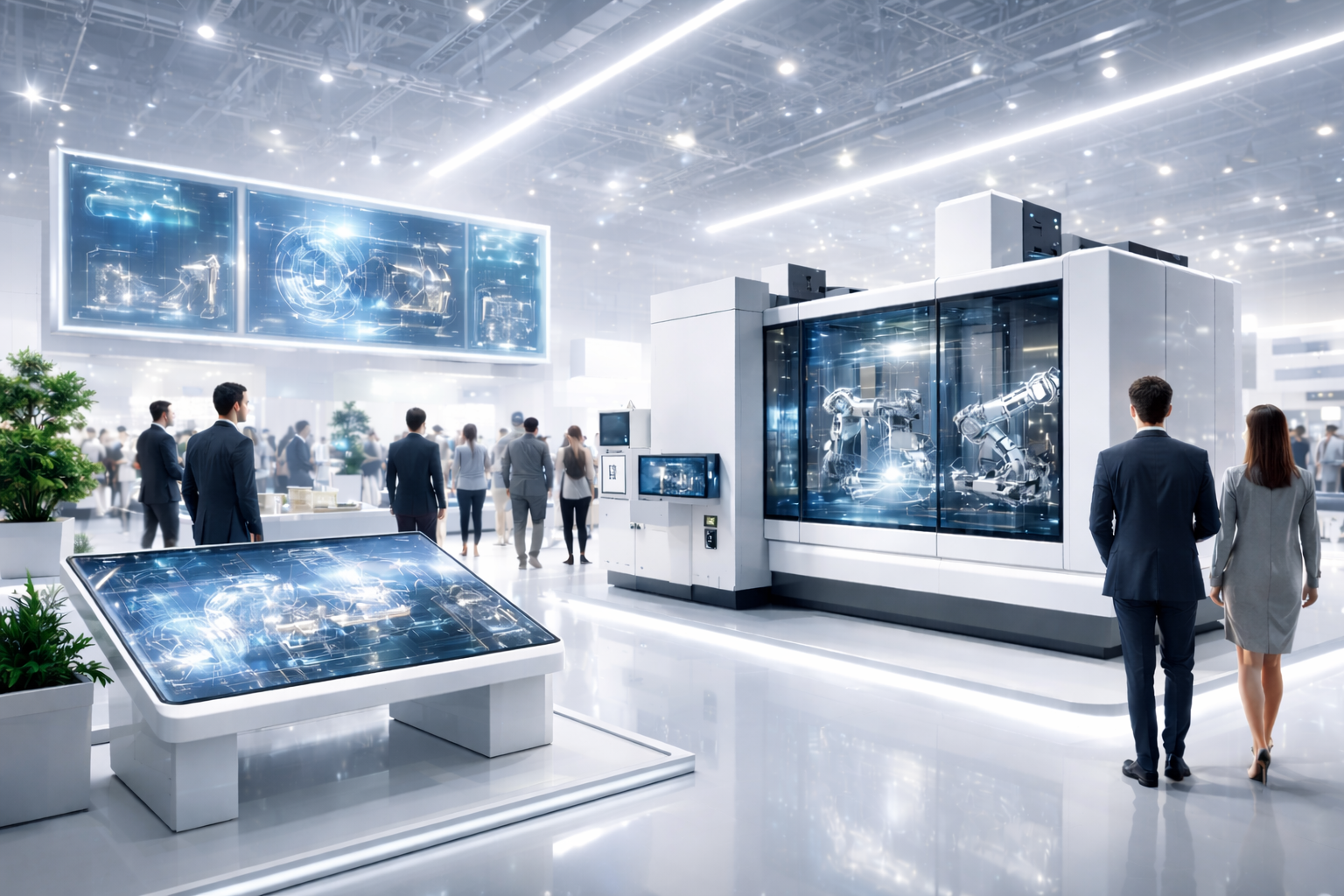
AI at CES 2026 showed how fast artificial intelligence is moving into real production environments. CES is mainly a global technology event for consumer electronics, but this year many of the biggest industrial companies used the show to launch new factory-focused AI tools. These are not consumer gadgets. These announcements affect how factories operate, how machines are maintained, and how work is done on the shop floor.
In this round up, we highlight the announcements that matter for machining, sheet metal, metrology, robotics, and fabrication. More importantly, we explain why each announcement matters directly to you as an engineer working on the factory floor.
1. Siemens launches Digital Twin Composer and expands its Industrial AI Platform
What was announced
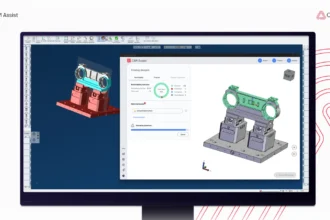
Siemens launched a new tool called Digital Twin Composer. It creates a real-time virtual model of a machine, production line, or factory. Siemens also expanded its Industrial AI Platform with NVIDIA, adding new industrial copilots that help with tasks such as quality checks, simulation, maintenance planning, and process optimisation.
Why this matters for metal manufacturing
Digital twins and AI can simulate machining processes, run virtual test cuts, optimise feed rates, reduce scrap, and predict failures before they stop a machine. Siemens is building tools that will fit straight into CNC environments across Europe and the USA.
MTN Analysis.
This matters because it could cut downtime and make your machine setups easier. You may see less trial and error on new jobs. You may see AI help catch mistakes before they cause scrap. In simple terms, Siemens is building tools that make machines easier to run and more reliable.
2. Qualcomm announces a new Robotics and Physical AI Platform
What was announced
Qualcomm introduced a full robotics platform that supports Physical AI. It includes high-performance processors for robots, advanced vision systems, and safety features that allow robots to work faster and more accurately on factory floors.
Why this matters for metal manufacturing
These chips will power future shop-floor robots used for part handling, inspection, pallet movement, tool loading, and welding support. It pushes industrial robotics toward higher intelligence and faster decision making.
MTN Analysis.
Over the next few years, robots around machines will work more smoothly. They will see parts better, avoid collisions, and help with boring manual jobs. This means faster setups, less manual lifting, and more stable production. It helps you focus on skilled work instead of repetitive tasks.
3. xTool AImake and AI-driven production tools
What was announced
xTool presented AImake. This is a system that takes ideas or rough drawings and uses AI to turn them into ready-to-cut production files. The company also launched a new laser system with LiDAR autofocus and automatic alignment.
Why this matters for metal manufacturing
Even though xTool is known for smaller machines, the trend is important. AI will reduce time spent preparing files and setting up jobs. It is a sign that design-to-production workflows will become more automatic in metal cutting and machining.
MTN Analysis.
This matters because it shows where software is heading. Job prep will get faster. You will probably spend less time fixing drawings or adjusting files. Systems will recognise parts, align them automatically, and reduce setup headaches.
4. Caterpillar and NVIDIA bring AI assistants to heavy industrial equipment
What was announced
Caterpillar revealed an AI assistant for heavy machinery and extended its partnership with NVIDIA to bring AI autonomy to large industrial equipment.
Why this matters for metal manufacturing
Caterpillar is not a machine tool builder, but their approach shows how AI is being used in rugged, high power, industrial environments. These ideas will move into CNC machines, welding robots, and metal fabrication cells.
MTN Analysis.
This matters because it shows that AI assistants will soon appear in all types of equipment. Machines may warn you earlier, help you correct settings, guide you through tasks, and prevent operator errors. It can help reduce stress and make complex jobs easier to manage.
5. Industrial robotics and Physical AI take centre stage at CES
What was seen across the show
CES 2026 placed strong focus on robots that use AI to operate safely, make decisions, and interact with people. Many systems used advanced cameras, sensor fusion, and AI models that can recognise objects, check quality, and improve task accuracy.
Why this matters for metal manufacturing
These are the same core technologies used in automated inspection systems, automated loading, collaborative robots, and welding automation. This directly affects modern metalworking cells.
MTN Analysis.
This matters because the robots you work with will soon be able to see more clearly, move more precisely, and handle tasks with less supervision. You may see more cobots helping with lifting, inspection, and repetitive movement jobs. This can improve safety and allow you to focus on skilled machining and tooling work.
MTN Final Word:
AI at CES 2026 showed that artificial intelligence is moving deeper into real industrial machinery, robotics, and design tools. These technologies will not replace skilled engineers, but they will change how work is done. They will reduce repetitive tasks, support operators with better information, and improve machine reliability. The announcements may be early, but the direction is clear. AI is becoming part of everyday production, and machine shops will feel the impact sooner than expected.
FAQs:
1. What is a digital twin and how does it help in machining?
A digital twin is a virtual copy of a machine or production line. It lets engineers test setups, simulate toolpaths, and check for problems before running anything on a real machine. You can see similar ideas explained in our article on AI in CNC programming improvements.
2. What is Physical AI?
Physical AI is artificial intelligence built inside real machines and robots. It powers better vision, safer movement, and more accurate handling. This connects to our coverage of robotic handling and automation for machine shops.
3. Will AI replace machinists and engineers?
AI will not replace skilled people. It supports them by handling repetitive tasks, warning about mistakes earlier, and simplifying setups. This theme is also explored in our piece on AI powered CAM and programming tools.
4. How soon will these CES technologies reach machine shops?
Some tools such as AI vision and shop support systems could appear within 12 to 24 months. Others will roll out slowly across CNC platforms. For broader context, see our latest AI in manufacturing news updates.
5. Does this affect CNC programming?
Yes. AI helps check toolpaths, catch errors, and suggest better cutting conditions. This links directly to our feature on AI in CNC programming improvements.
6. How will AI change daily work on the shop floor?
AI will support part loading, inspection, tool management, setup guidance, and maintenance alerts. It also improves consistency in cutting and forming. Find examples in our coverage of AI driven sheet metal cutting systems.
7. Are any machine tool builders launching AI at CES?
No. Machine tool builders launch at events like EMO and IMTS. CES shows the wider trends that filter into CNC technology. These trends also connect with our expert analysis on AI in manufacturing.
8. Will this technology work with older machines?
Some parts will. AI vision, inspection tools, and cobots support older machines. Full digital twin setups fit newer CNCs better. Related insights can be found in our AI in UK machining and automation.