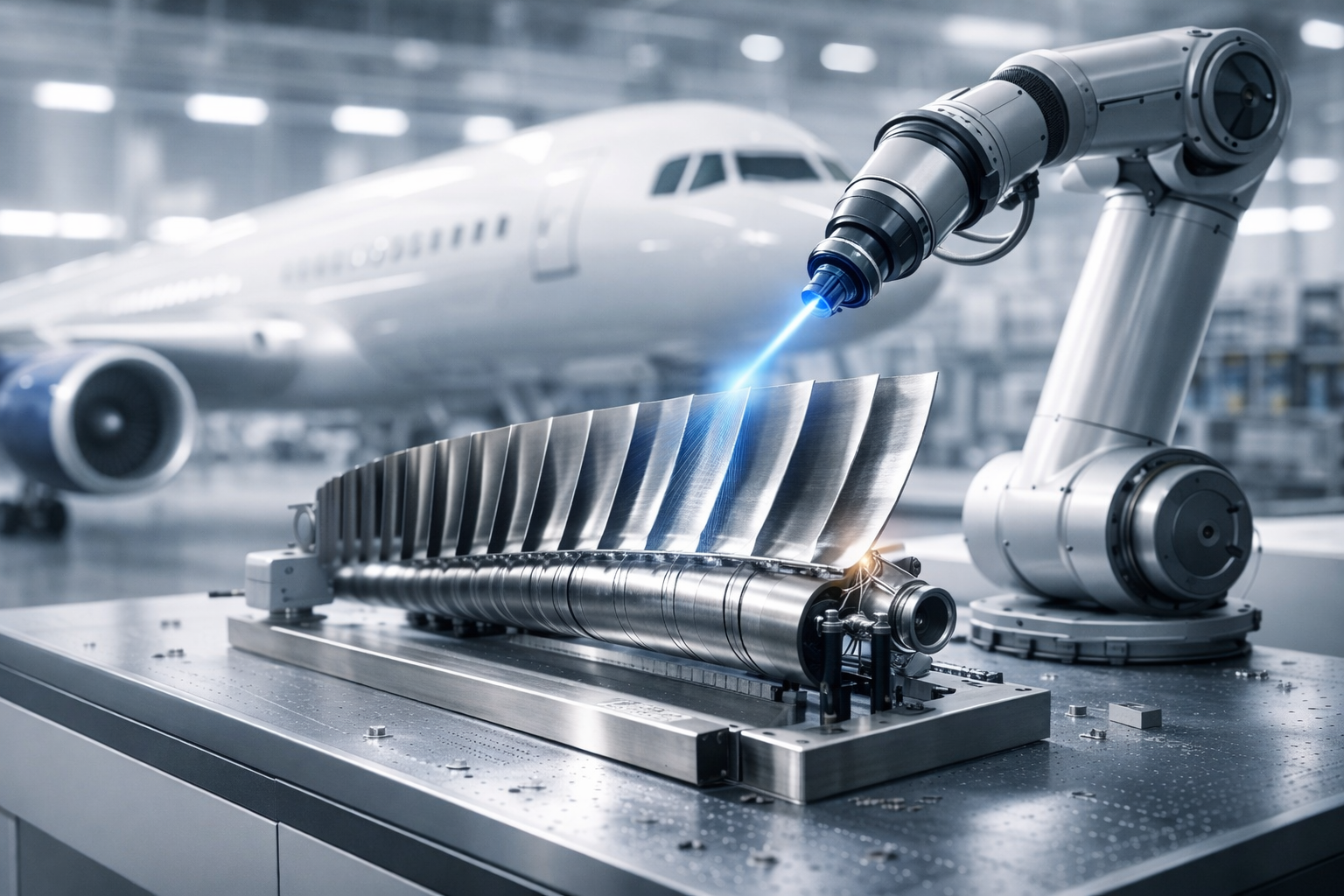
French Aerospace Suppliers Use AI:
French Aerospace Suppliers Use AI: The aerospace industry in France is embracing artificial intelligence (AI) to enhance surface inspection processes. This shift aims to improve product quality and reduce inspection times, directly impacting operational efficiency. Leading companies are integrating AI technologies to automate and refine their inspection protocols, setting a new standard in aerospace manufacturing. For more sector insights, see our AI in CNC hub.
What Happened: French Aerospace Suppliers Use AI
Recent developments in the French aerospace sector have seen suppliers like Safran and Dassault Aviation adopting AI-driven solutions for surface inspection. These technologies employ machine learning algorithms to analyse surface defects with unprecedented accuracy. Related reading on vision and inspection: https://machinetoolnews.ai/category/metrology-vision/
Traditional inspection methods often rely on human operators, which can introduce variability and lead to missed defects. By contrast, AI systems can process vast amounts of data quickly, ensuring a higher level of precision.
AI platforms now analyse components such as turbine blades and fuselage sections. These parts are critical to aircraft performance and safety, and they demand extremely precise inspection. Learn more about industry standards at EASA.
Integrating AI speeds up the inspection process and increases reliability. Manufacturers are able to detect issues earlier and improve consistency across production cycles.
Why it matters for manufacturers
The adoption of AI for surface inspection is particularly significant for manufacturers in the aerospace sector. It allows for a more streamlined production process, reducing downtime associated with manual inspections. This efficiency gain is critical in an industry where time-to-market can be a decisive factor.
Furthermore, the ability to detect defects at an early stage can lead to substantial cost savings. By minimising rework and scrap rates, manufacturers can allocate resources more effectively. This is especially important in an environment where margins are often tight and competition is fierce.
AI technologies also contribute to compliance with stringent regulatory requirements. The aerospace industry is subject to rigorous standards, and AI can help ensure that all components meet these specifications consistently. This not only enhances safety but also boosts customer confidence in the products being manufactured.
Overall, French aerospace suppliers use AI to increase accuracy, cut inspection time, and strengthen safety compliance.
MTN Analysis
The integration of AI into surface inspection processes represents a significant shift in the aerospace manufacturing landscape. This transition is not merely about adopting new technology; it is about rethinking quality assurance as a whole.
As French aerospace suppliers use AI, they are setting a precedent that could influence global practices.
In the next six to twelve months, we can expect to see further advancements in AI technologies tailored for surface inspection. Suppliers will likely refine their algorithms based on real-world data, improving the accuracy and speed of inspections. This trend reinforces how French aerospace suppliers use AI to raise inspection accuracy and reduce cycle times.
Manufacturers should prepare to invest in training and infrastructure to fully leverage these capabilities.
Buyers should engage with vendors to understand their AI offerings. Questions to consider include the scalability of the technology, integration capabilities with existing systems, and the level of support provided. Understanding these aspects will be crucial for manufacturers looking to stay competitive in a rapidly evolving market.
Key takeaways
- AI enhances surface inspection accuracy and efficiency in aerospace manufacturing.
- Early defect detection leads to significant cost savings and resource optimisation.
- Manufacturers should prepare for advancements in AI technology and engage with vendors proactively.
FAQ
What is French Aerospace Suppliers Use AI?
French Aerospace Suppliers Use AI refers to the adoption of artificial intelligence technologies by aerospace manufacturers in France to improve surface inspection processes. This includes automating defect detection and enhancing quality control measures.
How does this affect machining or sheet metal operations?
The integration of AI in surface inspection directly impacts machining and sheet metal operations by reducing inspection times and increasing accuracy. This allows for quicker turnaround times and improved product quality, which is essential in aerospace applications.
What should a buyer do next?
Buyers should assess their current inspection processes and identify areas where AI could add value. Engaging with vendors to discuss specific AI solutions and understanding their capabilities will be crucial for making informed purchasing decisions.
Primary Sources for the article:
Safran Group – https://www.safran-group.com
Dassault Aviation – https://www.dassault-aviation.com
Airbus Innovation & AI Research – https://www.airbus.com/en/innovation
Regulatory & Standards
EASA – European Union Aviation Safety Agency – https://www.easa.europa.eu
GIFAS – French Aerospace Industries Association – https://www.gifas.asso.fr
Industrial AI Policy
European Commission – Industrial AI Strategy – https://digital-strategy.ec.europa.eu/en
Original reporting/source: machinetoolnews.ai