In the rapidly evolving landscape of industrial manufacturing, smart sheet bending is emerging as a game-changer. To see how AI is already transforming CNC workflows, many shops are adopting AI-powered CNC controls that improve accuracy and reduce scrap across machining operations.With the integration of artificial intelligence (AI), press brakes are becoming more efficient, precise, and adaptable. This article delves into the transformative effects of AI on sheet metal bending processes and what this means for manufacturers.
Key takeaways
- AI enhances precision and reduces waste in sheet bending.
- Smart sheet bending systems can adapt to various materials and designs.
- Implementation of AI can lead to significant cost savings and increased productivity.
- Real-time data analytics improve decision-making in the manufacturing process.
- Potential challenges include integration costs and training requirements.
What this means for manufacturers
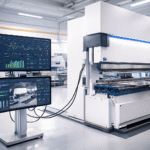
The integration of AI in smart sheet bending signifies a paradigm shift for manufacturers. Traditional press brake operations often involve manual settings and adjustments, which can lead to inconsistencies and inefficiencies. AI-driven systems enable manufacturers to automate these processes, resulting in higher accuracy and reduced material waste. This not only improves product quality but also optimises resource utilisation, ultimately enhancing profitability.
Real world examples from shops or OEMs
Several manufacturers are already reaping the benefits of AI in smart sheet bending. For instance, a leading OEM in Europe has reported a 30% reduction in production time by implementing AI-driven press brakes that adjust settings autonomously based on real-time data. Another shop in the UK successfully integrated AI to handle complex geometries, allowing them to take on more intricate projects without increasing lead times. Research from MetalForming Magazine highlights similar gains in cycle time and first-pass accuracy using AI-guided bending systems.These examples illustrate the tangible benefits that AI brings to the manufacturing sector.
Implementation and ROI for 2025
As we look towards 2025, the implementation of AI in smart sheet bending is expected to accelerate. Manufacturers must consider the initial investment required for AI technologies, including hardware, software, and training. However, the return on investment (ROI) can be significant. Companies can expect to see improvements in cycle times, reductions in scrap rates, and enhanced overall equipment effectiveness (OEE). By strategically planning for AI integration, manufacturers can position themselves for long-term success in a competitive market.
Common pitfalls and how to avoid them
While the benefits of AI in smart sheet bending are clear, manufacturers must navigate potential pitfalls during implementation. Common challenges include resistance to change from employees, underestimating the training needed for staff, and failing to integrate AI with existing systems. To avoid these issues, manufacturers should prioritise comprehensive training programmes, involve staff in the transition process, and ensure that new technologies are compatible with current operations. By addressing these concerns proactively, companies can facilitate a smoother transition to AI-enhanced processes.
FAQ
What is smart sheet bending?
Smart sheet bending refers to the use of AI and automation technologies in the sheet metal bending process, enhancing precision and efficiency.
How does AI improve press brake operations?
AI improves press brake operations by automating adjustments, reducing human error, and optimising material usage through real-time data analysis.
What are the costs associated with implementing AI in manufacturing?
Costs can vary widely, including initial investments in technology, ongoing maintenance, and training for staff. However, the potential ROI can justify these expenses.
Can small manufacturers benefit from AI in smart sheet bending?
Yes, small manufacturers can also benefit from AI by improving efficiency and reducing waste, which can lead to increased competitiveness in the market.
Are there specific industries that benefit more from smart sheet bending?
Industries such as automotive, aerospace, and construction often see significant benefits from smart sheet bending due to their complex fabrication needs.
In conclusion, the integration of AI into smart sheet bending is revolutionising the press brake industry. By enhancing precision, reducing waste, and improving efficiency, manufacturers can achieve significant advancements in productivity and profitability. As the technology continues to evolve, those who embrace these innovations will undoubtedly lead the way in the future of manufacturing.