

How Brazil is deploying industrial AI at scale at Hannover Messe 2026 As the official Partner Country at Hannover Messe 2026, Brazil is stepping forward with a clear message: industrial competitivenes...
NCMT has launched a new website designed to improve how manufacturers access its machine tool portfolio and engineering support, bringing together products, applications and services in a more struct...
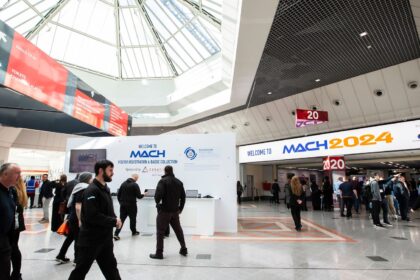
MACH 2026 is set to become the most important event in the UK for manufacturers looking to understand how artificial intelligence is being applied in real production environments. ...

As manufacturers push for greater efficiency, consistency, and control in CNC programming, the conversation around AI has become louder and often more confusing. With claims coming from every directio...

Taking place from 2–6 March 2026 at Bilbao Exhibition Centre, BIEMH remains one of Europe’s most important advanced manufacturing events, bringing together machine builders, software developers, autom...
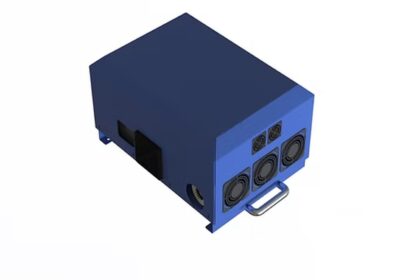
The GAV - AI Powered Guidance and Verification system from InspecVision is designed to close a long-standing gap in sheet metal manufacturing. It brings real-time AI-driven accuracy and traceability d...

AI at CES 2026 showed how fast artificial intelligence is moving into real production environments. CES is mainly a global technology event for consumer electronics, but this year many of the biggest ...
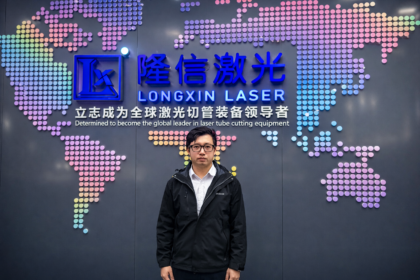
AI laser tube cutting is becoming one of the most important developments in the global machine tool industry. As manufacturers face rising labour costs, skills shortages, and pressure to reduce downti...
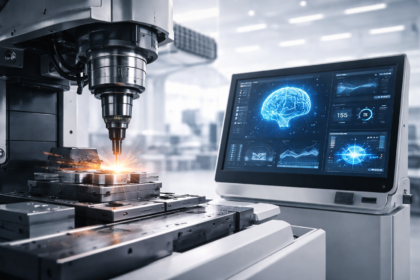
AI in machine tools 2026 will mark the shift from experimentation to accountability. As manufacturers enter the new year, artificial intelligence is no longer being...
AI in UK manufacturing is reshaping how factories approach automation, productivity, workforce development and competitive performance....