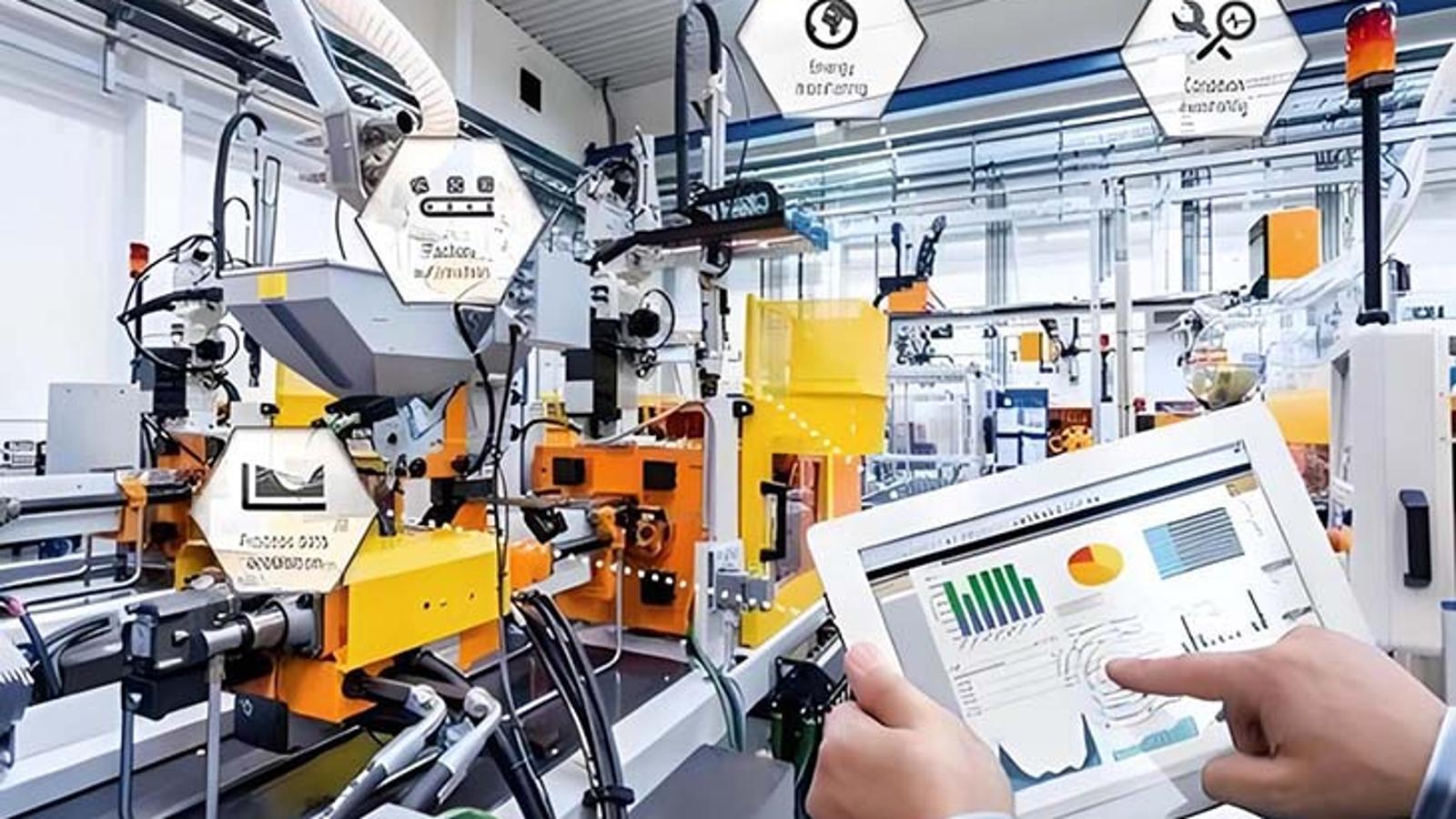
Industrial AI in factories is transforming modern manufacturing by using artificial intelligence to analyse machine data, automate quality inspection, and optimise production processes across connected factory environments. As manufacturers deploy smarter machines and connected systems, Industrial AI in factories is becoming a critical technology that helps engineers monitor performance, reduce downtime, and improve production efficiency.
Unlike traditional industrial automation that follows fixed rules, Industrial AI allows machines and software to learn from data. This enables factories to detect problems earlier, optimize production parameters automatically, and adapt to changing production conditions.
For manufacturers operating CNC machines, robotic cells, and sheet metal production lines, Industrial AI in factories is becoming a key tool for improving productivity and maintaining competitive advantage.
As a result, Industrial AI in factories is becoming essential for manufacturers seeking to increase productivity and maintain consistent production quality.
Why Industrial AI Is Transforming Manufacturing
Manufacturing environments generate massive amounts of data from sensors, machine controllers, quality systems, and production planning software. Historically, much of this data was underused.
Industrial AI changes this by analysing real-time production data to uncover patterns that humans may not detect.
Factories use Industrial AI to:
• predict machine failures before they happen
• optimize machining parameters and cutting conditions
• detect quality defects automatically
• improve production scheduling
• reduce scrap and energy consumption
As manufacturing becomes more complex, AI systems provide a way to manage large amounts of operational data and translate it into actionable insights for engineers and production teams.
Key Technologies Behind Industrial AI
Industrial AI combines several advanced technologies working together inside factory environments.
Machine Learning
Machine learning algorithms analyse historical and real-time machine data to identify patterns. These models can predict equipment failures, detect process variations, or recommend optimal production settings.
Computer Vision
AI-based vision systems use cameras and deep learning software to inspect components during production. These systems are commonly used for defect detection, dimensional inspection, and robotic guidance.
Predictive Analytics
Predictive analytics tools analyse machine sensor data to forecast equipment issues. For example, vibration, temperature, and spindle load data can reveal early signs of tool wear or machine failure.
Edge Computing
Many Industrial AI applications run directly on factory equipment through edge computing systems. This allows AI models to analyse machine data in real time without relying on external cloud infrastructure.
How Industrial AI Is Used in Factories
Industrial AI is already deployed across a wide range of manufacturing processes.
Predictive Maintenance
AI models analyse machine tool data to detect patterns that indicate mechanical issues. This allows maintenance teams to schedule repairs before unexpected breakdowns occur.
Quality Inspection
Machine vision systems powered by AI inspect parts during production to identify surface defects, dimensional deviations, or assembly errors.
Process Optimization
Industrial AI systems analyse machining parameters, tool wear, and production data to recommend optimal cutting conditions that improve productivity while maintaining part quality.
Robotics and Automation
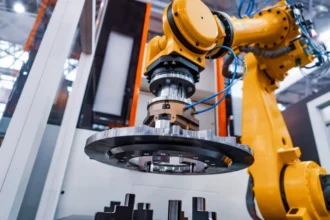
AI allows industrial robots to adapt to changing environments. Vision-guided robots can identify parts, adjust positioning, and perform tasks that previously required manual intervention.
Real-World Industrial AI Examples
Several major industrial technology companies are developing Industrial AI solutions for manufacturing environments.
Siemens is integrating Industrial AI into its Industrial Edge platform, enabling manufacturers to run AI applications directly on factory machines.
FANUC uses AI technology in its FIELD system to analyse machine data and improve production efficiency.
Hexagon develops AI-driven inspection and quality control systems that combine metrology with machine learning.
MVTec Software GmbH provides machine vision tools such as HALCON that allow manufacturers to deploy AI-based inspection systems.
These technologies are becoming increasingly important as factories move toward more connected and data-driven production environments.
MTN Analysis
Industrial AI in factories is shifting manufacturing from reactive decision-making toward predictive and autonomous operations.
Historically, engineers relied on experience and manual monitoring to manage production processes. AI systems now analyse millions of data points from machines, sensors, and inspection systems to identify inefficiencies and improve performance.
Over the next decade, Industrial AI is expected to play a central role in autonomous manufacturing environments where machines adjust parameters, schedule maintenance, and optimize production with minimal human intervention.
For CNC machining and metal manufacturing, this transition could significantly increase productivity while reducing production waste and machine downtime.
Manufacturers are increasingly deploying AI across machining processes, similar to the recent developments highlighted in our coverage of AI adoption in European manufacturing.
Key Takeaways
• Industrial AI combines machine learning, computer vision, and predictive analytics in factory environments.
• Manufacturers use AI to improve maintenance, inspection, automation, and production optimization.
• AI systems allow factories to analyse machine data and detect patterns that improve efficiency.
• Major industrial technology companies are investing heavily in Industrial AI platforms.
FAQ
What is Industrial AI in manufacturing?
Industrial AI refers to the use of artificial intelligence technologies to analyse machine data, optimize production processes, and automate decision-making within manufacturing environments.
How does Industrial AI improve factory efficiency?
Industrial AI analyses machine and production data to detect inefficiencies, predict equipment failures, and recommend optimized production settings.
Which industries use Industrial AI the most?
Industrial AI is widely used in automotive manufacturing, aerospace production, electronics assembly, and precision machining.
Is Industrial AI replacing human workers?
Industrial AI is primarily designed to assist engineers and operators by analysing complex production data and supporting decision-making rather than replacing skilled workers.


6 Comments